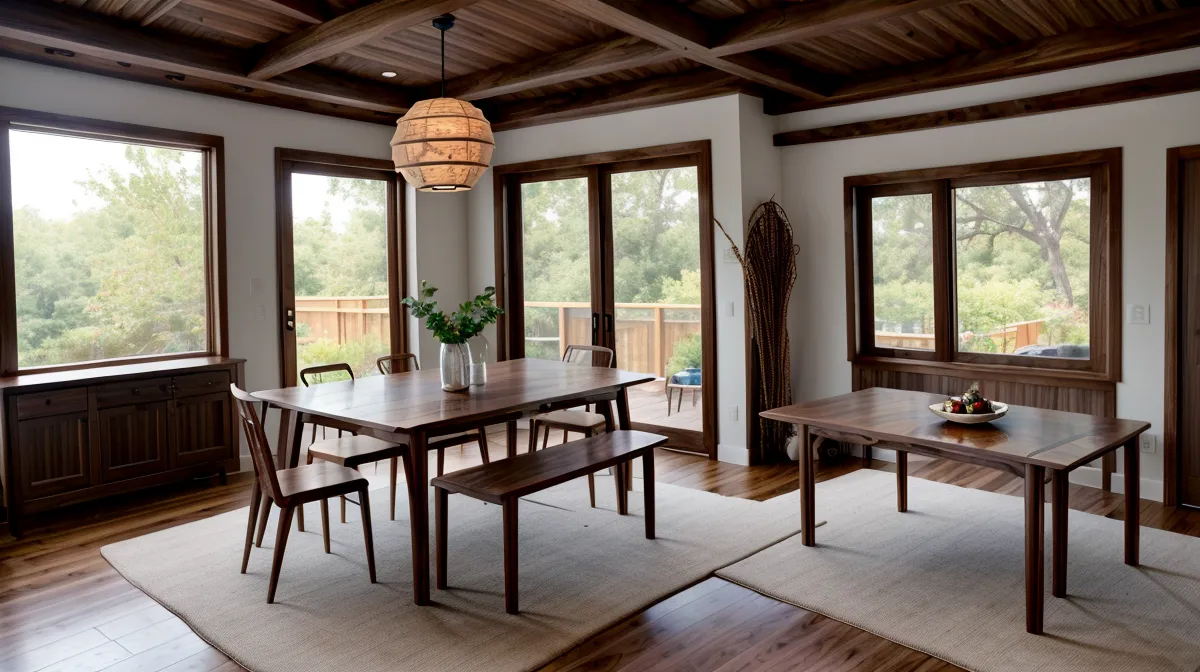
Six years of tight joints and grain-matched glue-ups inside the garage did nothing to prepare me for keeping anything alive on the other side of that door. That's the real contrast this piece is about: a shop where I can chase furniture-grade tolerances, next to a yard that, until recently, was mostly weeds and a stack of rotting scrap. Somewhere in that gap sits a decision a lot of weekend woodworkers eventually run into — whether the woodworking plans already on your shelf are enough, or whether a backyard needs its own system entirely. My answer, after actually building from one of these homesteading-style libraries, is that it comes down to whether you want isolated projects or a yard that works as one connected setup. That distinction is the whole reason I'm reviewing this one against the plan libraries I already trust.
Quick disclosure before going further: the plan libraries and any tool links below are affiliate links, and I earn a commission if you buy through them, at no added cost to you. I only cover things I've actually dragged into the garage or out into the yard myself. Consider this one hobbyist's peer review rather than a sales pitch — evaluating a vendor's claims is basically my day job anyway, just normally for software rollouts instead of lumber and dirt.
Inside the garage, I've gotten good enough that I can peel the blue tape off a glue-up, run a finger down the seam, and not find it — which sounds like a small thing until you've spent years missing that mark entirely. My workbench setup in there is tuned for that kind of precision: matching grain direction across a panel, picking the right joint for a load-bearing shelf, all the vocabulary of indoor work. Outside, none of that applied. A raised bed doesn't care about fine details; it cares about drainage, rot resistance, and whether the thing survives freeze-thaw cycles without shifting. I needed a different kind of plan, one built around a yard as a whole rather than a single weekend project.
16,000 Woodworking Plans Still Leave the Backyard Empty
My first move was back to familiar territory: TedsWoodworking, a library so large, more than 16,000 plans, that scrolling it feels like scrolling a streaming service on a Friday night with no idea what you're actually in the mood for. Whether a library that size is worth the click comes down to a narrower question than volume, something I get into in more depth when I size up plan quality on its own rather than as a footnote here. For this project, the sheer range didn't matter, because nothing in there treated a backyard as one connected system.
Next was My Shed Plans, a more focused library aimed at exactly one kind of structure. If the only goal is somewhere dry to store a lawnmower before the first blizzard, that's a reasonable place to point your tool budget — and budgeting for the workshop itself is a separate exercise I've written about elsewhere. But I wanted the yard to contribute something, not just hide the mower.
That search is what led me to Self Sufficient Backyard, which isn't a pure woodworking resource and made the lumber snob in me hesitate at first. What it offers instead is a modular way to make a suburban lot actually productive — treating the yard less like a pile of separate builds and more like a network where each piece has to interface with the others, the same logic I'd apply to any IT system with too many standalone parts.
Building the Cold Frame on Borrowed Time
Winter is when I actually read the blueprints — there's not much else to do in a garage that turns into a walk-in cooler once the temperature drops, and cold-weather woodworking has its own rhythm I've adapted to over the years. Once the ground finally softened, my first build was a cold frame, meant to get greens started before the last frost cleared out. Working outside also meant I could skip the dust collection setup entirely; wind and open air did the job my shop vac usually handles.
Not every mistake happens outside, though — the credibility check here is a shop story, not a yard one. On a face frame a while back, I drove pocket screws home before the clamps were fully seated, and every joint crept about two millimeters out of true by the time I noticed. It's the kind of error that doesn't show up until you're staring at a gap you can't sand away, and it's why I clamp first and drive screws second now, no matter how tempting the shortcut looks.
The cold frame itself came together fine once I stopped overthinking it, and the finishing process for outdoor cedar is its own animal — practical and weather-resistant matters more than the high-gloss look I chase indoors, especially once early spring rain got at the boards before I'd finished coating them. Self Sufficient Backyard leans into that difference rather than treating every project like a showpiece.
The Rainwater System Nobody Asked Me to Build
By early summer I'd moved on to a bigger project: a stack of PVC pipe, three barrels, and enough pressure-treated lumber to make my driveway look like a supply yard. My wife gave me the same look she reserves for projects that quietly outgrow their original scope; the one I've also seen aimed at Darlene, her book club friend, whenever a "simple" shelving job for her mudroom picks up another foot of length halfway through. I was following the plan's rainwater harvesting guide to build a gravity-fed setup for the raised beds, and to me it wasn't clutter, it was infrastructure.

Pressure-treated lumber needs months of drying before it'll take a finish, and it's heavier and less pleasant to work than the species I reach for on indoor pieces like building a DIY picnic table. Wood movement matters out here too, though it shows up as a warped board rather than a cracked panel, which is a whole separate conversation I won't get into here. For something meant to hold hundreds of pounds of water, you don't get to skip the structural questions just because the material is annoying to work with.
A reader named Priya Sundaram, who first emailed after a cutting board piece I wrote a while back, asked almost immediately whether treated lumber near a vegetable bed was something to worry about. She's the type to ask about finish safety before committing to anything, and it's a fair question here too. I didn't have a lab-grade answer, but I kept the treated lumber structural and out of direct soil contact, which felt like the reasonable middle ground.
The tradeoff people miss is that a custom system like this needs real upfront planning — foundation leveling for the barrels, soil compaction, drainage — the same category of groundwork that outbuilding foundations require even for something as simple as a pad under a small structure. A prefab kit skips all of that, but it's also flimsier and rarely expands well once you outgrow it.
The Three Libraries Solve Different Problems
If you're trying to figure out where your tool budget and weekends should actually go, here's how I'd sort the three libraries after chasing this project from spring thaw through the first barrel of collected rain — and this doesn't even touch how you'd organize the shop storage systems to support whichever path you pick, which is its own project entirely.
Match the Library to the Project
Self Sufficient Backyard fits the person who wants a working ecosystem, not just furniture — it covers things like coop structures, root cellars, and small medicinal gardens, and it's less about fine woodworking than about running a suburban lot like a small operation.
TedsWoodworking is still the everything-bagel option — if you need a specific piece, like a sturdy wooden bike rack, you'll find no shortage of takes on it, though the sheer selection can slow you down more than it helps.
My Shed Plans stays the specialist: if a detached structure big enough to need a permit conversation is the entire goal, that focus is exactly what you want, and it's not trying to be anything else.

Trading Shop Time for Yard Time Proved Worth It
By week twelve of this — counting from the day the cold frame went into the ground to the afternoon the first rain barrel actually gravity-fed water to the beds — the system stopped being separate projects and started acting like the network I'd been aiming for. My wife stopped giving me the skeptical look around the same time the first lettuce came out of that cold frame, which is a more convincing argument than anything I could have said myself.
The lesson that actually transfers to the next project is this: judge a backyard build by whether its pieces are designed to talk to each other, not by how impressive any single piece looks on its own — the same standard I'd apply to a set of shelving or a workflow at the office. A gorgeous cold frame that ignores drainage is just a nice-looking box that'll rot in a couple of years.
If you're tired of the garage being the only finished-looking part of your property, Self Sufficient Backyard is worth adding to your shelf, especially if TedsWoodworking is already covering your indoor projects — the two cover different territory well enough to sit side by side. And clamp your joints before you drive the screws. I mean that literally and as general life advice.
Whether you're starting with one raised bed or an entire rainwater system, the actual trick is just starting before the season closes the window. Every stalled project and every crooked joint is one more entry in the log — and some evenings the smarter move is just walking the trail at Minnehaha Falls Regional Park instead of forcing another hour of work before the light goes.