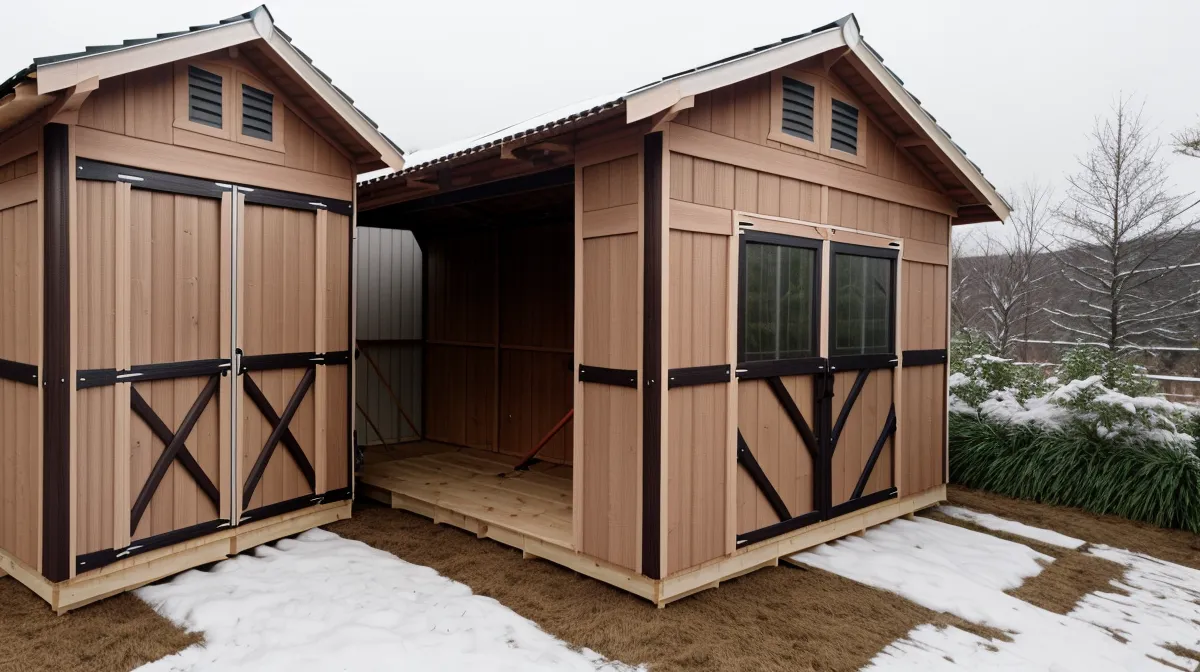
Forty-two pressure-treated two-by-fours, stacked flat in a driveway, take up almost exactly the footprint of two parked sedans. That pile showed up because I'd finally committed to an 8x12 DIY shed to get the mower, the snowblower, and a decade of half-finished project scrap out of my actual garage workshop, which I'd much rather use for something like a DIY miter saw station. Free plans got me nowhere on the first attempt, so this time I paid for real woodworking plans, and the whole experience turned into enough of a saga that it's basically its own workshop review — mostly because people keep asking me the same handful of questions about it.
Quick disclosure before anything else: this post contains affiliate links, including to two of the plan libraries mentioned below. Buying through them costs you nothing extra and sends a small commission my way — I only link to plans I've actually built something from, this shed included.
People who saw the finished shed in a neighborhood group asked roughly the same four or five questions, so here they are, answered straight instead of buried inside a play-by-play build log.
Why Pay for Shed Plans Instead of Winging It?
A buddy of mine spends most fall weekends chasing whitetail deer on a family parcel up near Brainerd, and when he heard I'd spent money on a PDF instead of just wandering the internet for free plans, he laughed at me. Free plans, in my experience, read like documentation someone wrote for themselves and never expected another person to open — no real cut list, no measurements you can trust, and a foundation section that amounts to "dig a hole, probably."
Rockler Woodworking & Hardware in Minnetonka is where I did most of my early scouting, standing in an aisle trying to build a materials list on my phone as if that counted as due diligence. It didn't. Paid woodworking plans — specifically My Shed Plans — turned that guesswork into something closer to a checklist, the kind with an actual cut list and a materials table, which is the part of any project my brain actually trusts.
My Shed Plans vs. TedsWoodworking
TedsWoodworking (TedsWoodworking) is the option most people land on first, mostly because of the sheer size of the catalog — north of sixteen thousand plans covering everything from birdhouses to full decks. It's the obvious pick if you want one subscription that covers every future project instead of buying something new each time you start a build.
My Shed Plans (My Shed Plans) is the narrower tool, built around exactly one category of project. That focus is the whole pitch: instead of digging through a massive library to find the shed section, you land straight in it. If you also want plans for a clamp rack or other shop projects down the line, TedsWoodworking is probably the better long-term subscription — I just wasn't there yet when this shed needed building.
The Exploded Views Saved a Framing Mistake
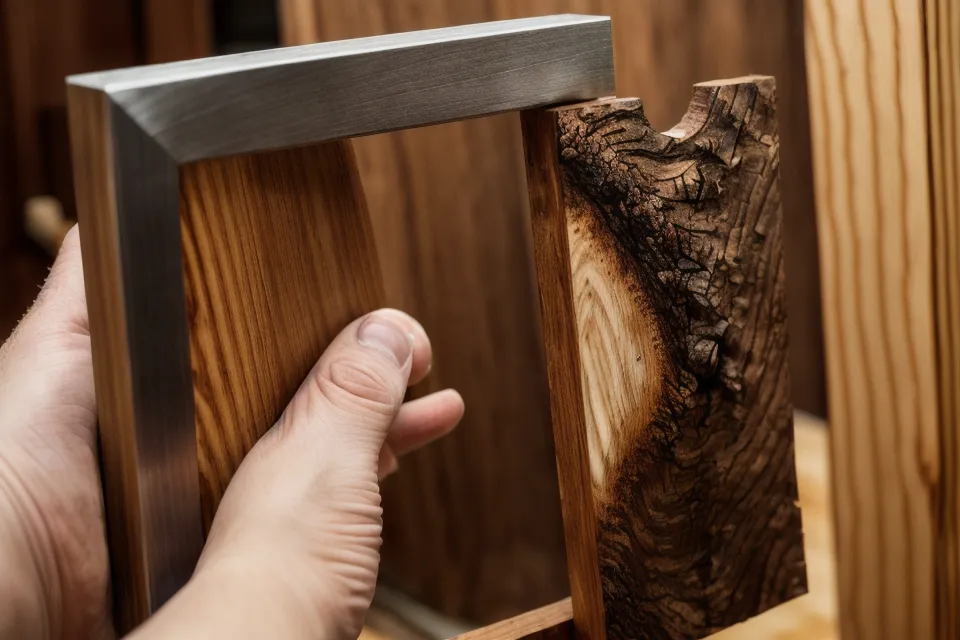
Framing the back wall square went fine right up until it didn't. A cheap speed square from a garage sale turned out to be off by a couple degrees, and I didn't catch it until the side walls refused to line up. That's the kind of bug that doesn't surface until you're several steps past where you actually introduced it, which anyone who's chased a config error through a deploy pipeline will recognize immediately.
The exploded 3D views in the plans are what got me out of it. Instead of guessing where the panels were supposed to overlap, I could see it directly, pull the misplaced nails, and reset the wall without starting the whole thing over. Getting it to finally sit flush felt a little like the first time I ran a hand plane the right direction across a board and watched the shavings come off in one long, unbroken curl instead of tearing apart in chunks — a small, specific kind of relief that only makes sense once you've felt the alternative.
None of that would have been possible without a flat, stable surface to build the walls on, which the plans just assume you already have. Mine came from giving up on a Harbor Freight workbench kit that never sat level no matter how many shims I tried, and building a proper bench from dimensional lumber instead — a whole separate project that probably deserves its own writeup on workbench setup rather than a paragraph buried inside a shed review.
What's Actually Inside the Bundle?
Digging into the bundle after buying it (My Shed Plans) feels a bit like opening a shared drive that's been added to by six different people over a decade — useful material is in there, but the organization hasn't kept pace with the content. Once you find the shed-specific section, though, the quality holds up: step-by-step instructions that explain why a joint goes together the way it does, not just that it should.
The instructions cover the reasoning behind each joint without turning into a full lesson on choosing joinery for your skill level, which is really a topic of its own. Grain direction barely factors in either, since shed framing lumber is graded for strength rather than looks — a different concern entirely from picking boards for a cutting board or a tabletop. Wood movement doesn't come up at all, because pressure-treated framing outdoors behaves nothing like the kiln-dried hardwood I fuss over on furniture builds. Species selection is basically decided for you too: SPF and pressure-treated pine, full stop, none of the hardness-and-workability debate that goes into an indoor piece.
Cutting down sheets of T1-11 siding happened entirely outside, so dust collection wasn't a decision I had to make the way I would inside an enclosed shop. Finishing was closer to weatherproofing than the multi-step finishing process I'd use on furniture — exterior paint, two coats, done, instead of the sanding-and-topcoat routine that eats up a whole indoor weekend.
Foundation guidance and a note about checking local permit requirements round out the package, and both mattered more than I expected. The foundation section kept my skids off bare dirt, and the permit note reminded me to call the city before a neighbor did it for me.
Weighing Chicken Coops and Backyard Extras
Readers chasing a suburban chicken coop or something outside pure woodworking should look at Self Sufficient Backyard (Self Sufficient Backyard) instead. It leans more toward general backyard projects than dedicated blueprints, but it covers ground neither of the woodworking-focused libraries touch.
Leftover 2x4 scrap piled up faster than expected, which turned into more of a storage problem than a shed problem. I keep meaning to set up proper shop storage systems along one wall instead of leaning everything in a corner, but that's a project for another weekend.
The Real Cost of an 8x12 DIY Shed
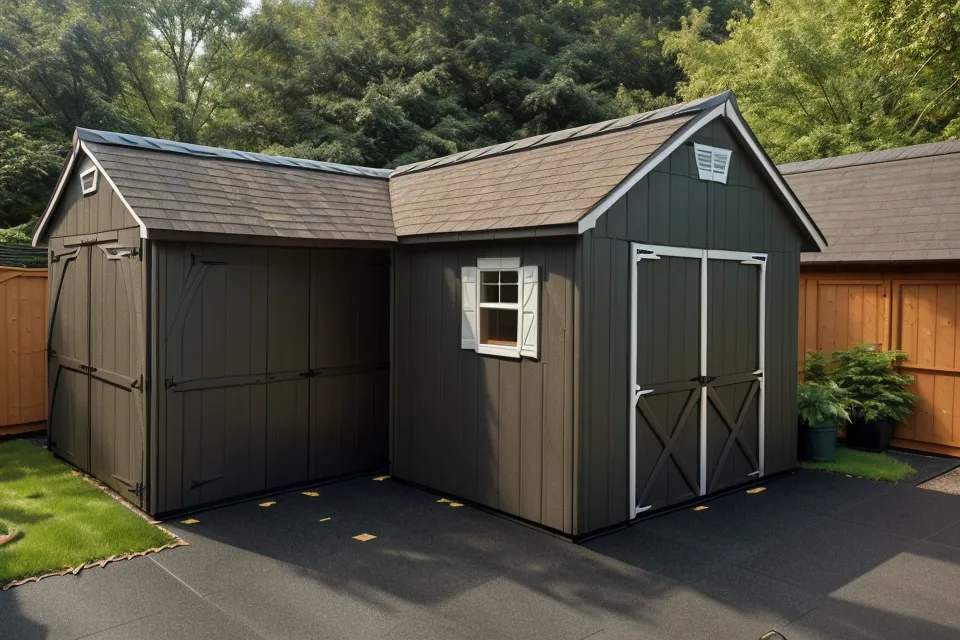
Money broke down about like this: the plans themselves ran around forty dollars, lumber landed in the mid-three-figure range, siding came in roughly two hundred, roofing was just over a hundred, and hardware — hinges, nails, the door latch — added around ninety more on top. Total investment sat in the low four figures.
A comparable shed quoted through a local company came in at close to double that including delivery, which made the math easy even setting aside the value of the labor itself. Having a real cut list also meant almost no wasted lumber — no extra trips back to the store because someone guessed wrong on quantities.
Is My Shed Plans Worth Buying?
Judging plan quality by skimming preview pages only tells you so much. The real test is what happens once lumber actually gets cut, and that's exactly the kind of stress test a full build puts a plan set through. The shed-specific section of this bundle held up under that test: cut lists matched real lumber, exploded views matched real framing, and the permit and foundation notes matched what the city actually wanted.
Anyone with real carpentry training can probably sketch a shed on the back of a napkin and skip all of this. For the rest of us — people who need a checklist to avoid scope creep and a collapsed roof — My Shed Plans (My Shed Plans) earned its cost on this build alone, and it's worth grabbing before you order lumber, not after. If a shed turns into a gateway project the way it did here, TedsWoodworking (TedsWoodworking) is where I'd look next for anything indoors.