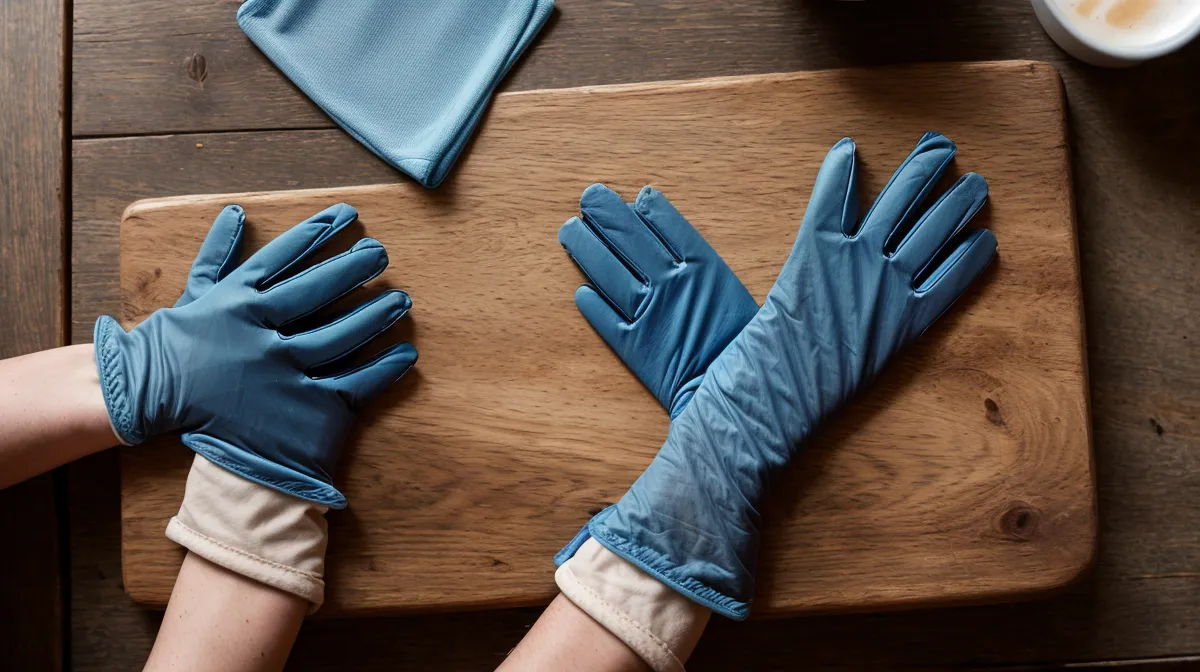
Late one night in my garage workshop, I stood over a walnut coffee table I had spent weeks on, watching a single, stubborn bubble form in a thick layer of brush-on polyurethane. It was mid-February, the kind of Minnesota cold that makes you want to rush the job just to get back inside, and I was doing exactly that. I tried to 'fix' a run with a cheap foam brush, only to have the brush disintegrate, leaving tiny black specks of foam embedded forever in the sticky finish.
Before we get into the sawdust and chemicals, a quick heads-up: This site uses affiliate links. If you buy something through these links, I earn a commission at no extra cost to you. I only recommend plans and tools I have actually used in my own 20-foot wide suburban garage. It’s how I keep the lights on and the sandpaper stocked.
As an IT project manager, my day job is all about precision, Gantt charts, and predictable deployments. But my early attempts at woodworking were chaotic disasters. My first project—a lopsided bookshelf that now lives in the dark corner of the basement—was finished with a brush-on gloss that looked like it had been applied with a garden rake. I had dust nibs everywhere. If you’re not familiar, dust nibs are those tiny particles of airborne debris that land in wet finish, a common problem in non-professional shops where the car was parked just two hours ago.
The IT Logic of Wood Finishing
I realized that finishing wood is a lot like a software migration. You can try a 'Big Bang' deployment—one massive, thick coat of polyurethane—and hope nothing breaks. Or, you can take the agile approach: multiple, thin, incremental releases. In the woodworking world, that’s wipe-on poly.
Standard brush-on polyurethane usually has a solids content of about 45-50%. It’s thick. It’s protective, sure, but it’s also a magnet for every floating hair and dust mite in your garage. Wipe-on polyurethane, on the other hand, is thinned down with mineral spirits, bringing the solids content down to around 20-30%. This reduces the surface tension, allowing the finish to flow into the wood grain more easily rather than sitting on top like a layer of plastic wrap.
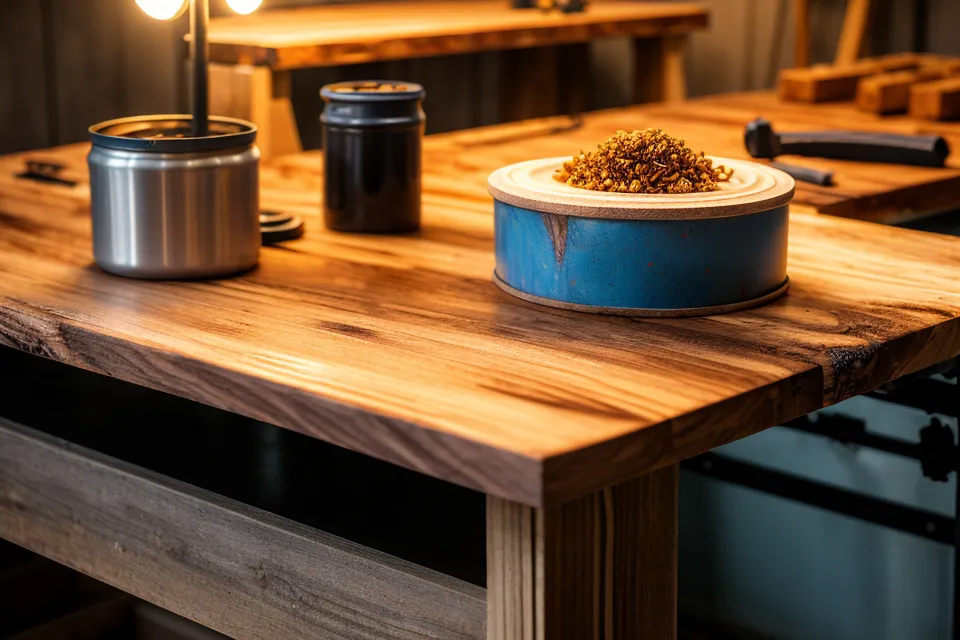
By early April, after a particularly frustrating incident involving a cat hair and a side table, I went down a YouTube rabbit hole and decided to stop fighting the brush. I started thinning my own poly or buying the pre-mixed wipe-on versions. The difference was immediate. I wasn't just 'painting' the wood anymore; I was building a finish. It felt more like the Essential Woodworking Tools for Beginners Starting a Garage Workshop phase where you finally realize that the right tool makes the job easier, not just faster.
The Sensory Shift: Why Wiping Beats Brushing
There is a specific feeling you get when you use a lint-free rag soaked in thinned poly. It’s the cool, oily glide of the rag moving across a perfectly sanded oak board. Unlike a brush, which can feel like you’re dragging a heavy weight across the surface, wiping is fluid. It’s tactile. You can feel the wood grain through the cloth, and you can see exactly where the coverage is thinning out.
I remember staring at a lopsided bookshelf early in my hobby and thinking, 'If I can manage a multi-million dollar software migration, I can surely sand this flat and finish it properly.' The problem wasn't my ambition; it was my method. In a garage that is roughly 20 feet wide and shared with a lawnmower and a mountain of kids' bikes, you are never going to have a 'clean room.' Wipe-on poly dries to the touch much faster than the thick stuff, meaning there is a smaller window of time for the 'garage glitter' (dust) to ruin your day.
One weekend last month, I was working on a project from a massive library I found online. I’ve been using TedsWoodworking, which has about 16,000 plans. I was building a small cabinet, and I used the wipe-on method for the interior shelves. If you've ever tried to brush poly inside a dark cabinet box, you know it's a recipe for drips and tears. With a rag, I just reached in, wiped, and was done in seconds. No runs, no sags, no stress. I’ve even used similar techniques for Easy Pocket Hole Joinery Tips for Better Woodworking Projects where the joints need to stay clean and crisp.
The Humid Evening Test
The real test came on a humid evening last July. I was finishing the dining table—the one my wife actually lets guests see now. Humidity is the enemy of slow-drying finishes. It keeps the poly 'open' (wet) for longer, which in a garage workshop is just an invitation for trouble. Using thin coats allowed me to get a layer down and have it 'flash off' before the local mosquito population decided to use my tabletop as a landing strip.
I applied about six coats in total. That sounds like a lot of work, but each coat took maybe ten minutes. Between coats, I’d do a quick scuff-sand with 400-grit paper. By the time I was finished, the surface didn't look like it was encased in plastic; it looked like the wood itself was glowing. When I finally brought it into the house, I watched my wife tentatively touching the dining table surface, her eyebrows rising in genuine surprise at how smooth it actually felt. She didn't say 'good job for a beginner'; she just asked if I could make a matching console table. That's the ultimate win.
Choosing Your Path: Plans and Persistence
If you’re just starting out, don't feel like you need to buy the most expensive HVLP sprayer or the fanciest badger-hair brushes. Most of us are just guys in garages trying to make something that doesn't wobble. I’ve found that having a solid set of blueprints is half the battle. While I love the variety in the 16,000-plan collection at TedsWoodworking, I’ve also looked into My Shed Plans for some of the bigger outdoor stuff I want to tackle next spring, like a proper lumber rack. They have about 12,000 plans, mostly focused on structures, which is a different beast entirely but still requires a good eye for finishing if you want them to last.
Woodworking isn't about being a professional from day one. It’s about finding the shortcuts and tools—like wipe-on poly—that make a suburban garage feel like a high-end furniture shop. It's about learning that a mistake on a Best Farmhouse Console Table Plans for a Weekend Woodworking Project isn't a disaster; it's just a reason to sand a little deeper and try a different rag.
If you're tired of brush marks and 'dust nib' frustration, grab a can of mineral spirits, thin down that poly, and give wiping a shot. Your sanity (and your wife’s furniture expectations) will thank you. If you need a project to practice on, I highly recommend checking out the massive database of blueprints over at TedsWoodworking. It’s where I get most of my ideas when I'm not busy troubleshooting server migrations or cleaning sawdust off my work laptop.